
Spiritus Christi Mental Health Center’s acting director talks about the free mental health treatments his nonprofit provides
By Mike Costanza
 The Spiritus Christi Mental Health Center offers free psychotherapy, peer support programs and wellness programs to its clients, most of whom can’t access such services by other means. With just one full-time and two part-time paid employees, two mental health counseling interns and about 20 volunteer counselors, the facility treats a variety of maladies, including clinical depression, anxiety disorders and post-traumatic stress disorder. Its cohort of counselors include clinical psychologists, licensed clinical social workers and licensed mental health counselors. The center also has a part-time volunteer social worker who provides a measure of case management services.
In 2025 alone the Mental Health Center assisted 169 clients, 161 of whom received counseling. About 78% of them were uninsured, underinsured or couldn’t use their insurance to obtain what they needed.
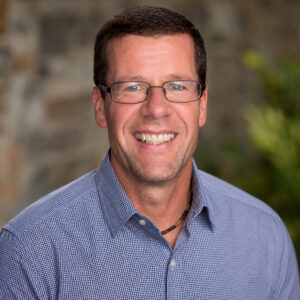
Michael Boucher, LCSW, the center’s acting clinical director, spoke to In Good Health about its mission and the people it serves. His interview was edited for brevity and clarity.
Q. What is the Mental Health Center’s mission?
A. To serve those who may not have access, or adequate access, to mental health or behavioral health care in the Rochester-Monroe County region. One of our fundamental beliefs is that everyone deserves the right to care and that we see healthcare as a human right. That’s a deep commitment we have.
Q. What kinds of clients do you serve?
A. Trauma of poverty, the trauma of race, the trauma of sexual violence and how all of these kind of come together in both the world and in people’s lives. People don’t have adequate food, transportation, finances and tends to correlate highly with levels of anxiety and depression.
Q. What kind of mental health care does the center provide?
A. Because it’s predominantly volunteer-driven, each clinician is kind of bringing their own specialty with them. We have a clinical psychologist who’s worked with the VA and done extensive psychological testing with people, particularly around either ADHD or other diagnoses. We have people who are skilled in cognitive behavioral therapy and others who are skilled in dialectical behavioral therapy. We have a former certified alcohol and substance abuse counselor who might see a certain cohort of people and we have somebody who’s worked extensively with folks with developmental disabilities. When somebody calls in, we try to find the best match for them based on both their schedule, what the client wants to work on and the expertise of the clinicians we have on hand.
Q. What kinds of diagnosable conditions do your counselors see?
A. We’re seeing people with diagnosable illnesses, you know, sometimes major depression or anxiety disorders. We’re also seeing people who might be able to be diagnosed with post-traumatic stress disorder from a variety of circumstances. Then there are these larger, broader social psychosocial categories where there’s some psychosocial challenge which is impairing functioning based on oftentimes external forces. What we use a lot is something called “adjustment disorder,” meaning it may or may not meet the full criteria for other diagnoses, but it’s a crisis-related situation where people find themselves. They were doing OK but then something has really caused a significant shift.
Q. Why do people who have insurance come to the Mental health Center?
A. Each health plan kind of has its own limitations. There could be expensive co-pays. Many insurance carriers cover individual therapy, but they won’t cover family therapy or couples counseling. Some health insurers have pulled out of New York state or out of the marketplace. People had that coverage last year, but then this year, no one takes their insurance around here. We also are anticipating that in 2027 with some of the Medicaid cuts that are coming the landscape is going to change yet again.
Q. Do some of your clients have other concerns about using their insurance?
A. They could be, let’s say, LGBTQIA (Lesbian, Gay, Bisexual, Transgender, Queer/Questioning, Intersex, Asexual) and exploring sexuality and they haven’t come out to their families yet. They may not want the reason they’re seeking counseling to be revealed to others.
Q. Does the center also offer peer support groups?
A. We have a few groups. One is called Finding Solid Ground, which is for adult survivors of sexual abuse and childhood sexual abuse. We’re just starting a retired men’s group and I think we’ll probably be starting a grief support group sometime in the spring.
For more information on the Spiritus Christi Mental Health Center or to donate funds for its operations, go to: https://www.scmentalhealth.org