
By Deborah Jeanne Post
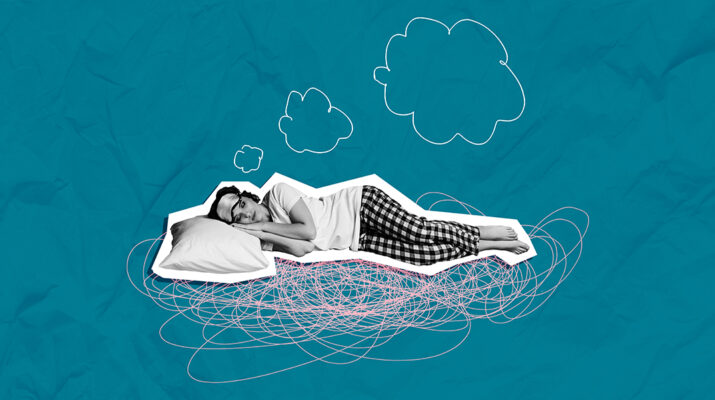
If you struggle to sleep, it feels like little else goes right all day. You feel sluggish, irritable, forgetful and dull. Sleep refreshes the brain and keeps the body healthy. If you find you can’t fall asleep and stay asleep, pay attention to your “sleep hygiene,” the environmental factors and habits that affect your sleep. These may have more to do with how well you sleep than you imagined.
1 — Get off the screen

It feels like a harmless indulgence to catch up on your favorite social media platforms while you relax under the covers, but Alice Hoagland PhD, director of the Insomnia Clinic at Rochester Regional Health, said that hampers good sleep.
“Most people know that keeping their cell phone out of the bedroom is a good sleep habit, but it can be a difficult change to make,” she said. “Studies have shown that even if the cell phone isn’t by the bedside, its presence in the bedroom is still highly sleep disruptive. If there is one change I recommend, it’s getting into the habit of charging your cell phone outside the bedroom. Creating that physical distance can make it easier to disconnect and focus on sleep.”
The light created by the screen as well as the images, videos and words that attract your attention, are far too stimulating that late. There are also the incessant updates chiming.
If you must keep the phone available for safety (such as traveling family members), you can select certain numbers as exceptions to your “Do Not Disturb” setting, meaning that your phone will ring at any time if your 16-year-old calls, but not a telemarketer or your brother-in-law or anyone else.
2 — Plan to wind down.
Hopping directly in bed is not as conducive to rest as a routine to induce slumber.
“Try to give yourself about an hour to wind down before going to bed,” Hoagland said. “What you do during that time can have a real impact on how easily you fall asleep.”
Reading a magazine may be better than an intense murder mystery, for example. Perhaps engage in a craft, do some light housekeeping or plan what you need to do tomorrow and gather the stuff you will need.
You may feel tired after exercise, but that also heats up the body, which for many delays slumber. Try exercising earlier in the day.
“Patients will sometimes watch the news right before bed, but that can increase anxiety and keep the mind active when it should be preparing for sleep,” Hoagland said. “If you’re going to watch television before bed, I recommend choosing something lighthearted or funny rather than something stressful or emotionally stimulating.”
A light snack before bed is fine, but definitely avoid caffeine beginning in the afternoon.
3 — Stay consistent.
Jumping around with your sleep schedule can make it tough to sleep well.
“Try to keep your sleep and wake schedule as consistent as possible, including on weekends,” Hoagland said. “Your wake-up time is particularly important because it helps set your body’s circadian rhythm for the rest of the day. A consistent schedule can help your body know when it’s time to be awake and when it’s time to sleep.”
4 — Maintain a good sleep environment.
The bedroom should be cool with the right number of blankets on the bed and comfortable sleep attire. If sleeping with pets wakes you, don’t let them in the room (they’ll adjust). If your bed partner snores or disrupts you by excessive movement, consider trying to sleep in separate bedrooms.
Use the bedroom for only sleeping and sex. Banish stress-inducing things like clutter, stacks of paperwork, and the laundry basket full of clothes that need folding.
Reduce noise, unless a white noise machine or a radio tuned to static helps you mask household sounds.
Periodically examine your bedding and mattress for signs of wear. A lumpy mattress and threadbare comforter can make sleep feel impossible.