By Jennifer Faringer
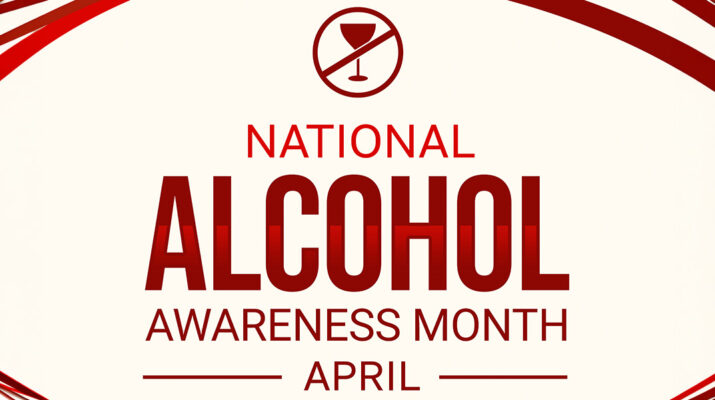
Alcohol Awareness Month in April is an opportunity to highlight the risks of drinking alcohol, particularly for women who are pregnant or considering a pregnancy.
Drinking while pregnant can impact the health of the developing child at any stage of pregnancy. There is no amount of alcohol that is safe to drink during pregnancy. This applies to all forms of alcohol — beer, wine, wine coolers and hard liquor are all equally harmful.
Fetal alcohol spectrum disorders (FASD) (FASD) are a group of diagnosable medical conditions that may occur when the unborn child is exposed to alcohol before birth. Effects are lifelong and may include mental health conditions, learning disabilities, sensory issues, and physical manifestations such as heart defects, hearing and visual impairments and more depending upon when alcohol was consumed during pregnancy.
A Pregnant Woman Never Drinks Alone
During the first trimester, a woman may not know that she is pregnant, but it is never too late to stop drinking and seek help to ensure the healthiest outcome.
Drinking while pregnant has been linked to a variety of birth defects including feeding issues in infancy, resulting in “failure to thrive.” During childhood, this may present as developmental delays and behavior issues in school and at home. In adulthood, an individual may struggle with stable employment and housing as well as legal issues.
According to the National Institutes of Health, prenatal alcohol exposure is a leading cause of preventable birth defects. One in 13 women say they drink during pregnancy. FASDs affect one in 100 children in the U.S. and an estimated one in 20 school-aged children.
Just as alcoholism affects individuals across socio economic groups, the same can be said for FASD. The rates are often higher in the foster care system. Children in the adoption system, especially overseas adoptions, often do not have a complete medical history nor a full medical history for the birth mother.
Early diagnosis is important to ensure support might be put in place in both the school and the home. Children with an FASD are often easily frustrated but they can thrive with a stable structured environment in school and home. Consistent routines, concrete language, and learning that includes visual, auditory, and tactile modes are all helpful.
In spite of the prevalence of FASD, it is too often underdiagnosed. This is often due to the stigma surrounding alcohol use, the complexity of the diagnosis and the limited availability of diagnostic resources and capacity.
Angela, a birth mom in recovery, said:“As a birth mother in recovery, the culture around drinking is one of acceptance. I think there is significant fear around giving a voice to this diagnosis. Rest assured, it is not meant to be a judgement on your life choices, but drinking during pregnancy has consequences not just for you but for your unborn child.”
Prevent FASD by staying alcohol-free during pregnancy
For more information about the NCADD-RA’s virtual FASD Parent Network and Support Group, contact NCADD-RA Director Jennifer Faringer at jfaringer@depaul.org.
For resources and education, visit https://ncadd-ra.org/resources/awareness-campaigns/fetal-alcohol-spectrum-disorder/ or contact jfaringer@depaul.org.
 Jennifer Faringer, CPP-G (credentialed prevention professional—gambling), is the director of the National Council on Alcoholism and Drug Dependence — Rochester Area.