Chief Nursing Executive, URMC; Chief Nursing Officer, Strong Memorial Hospital
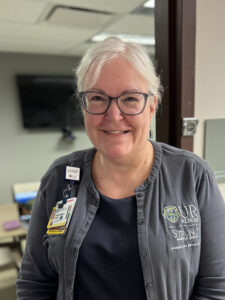 Name of the Organization: University of Rochester Medical Center.
With the organization since: 1997.
In the current position since: 2025.
Education: Bachelor’s degree in nursing, Roberts Wesleyan College; master’s degree in nursing with concentration in education, Duke University; post master’s certificate in nursing in clinical nurse leader, University of Rochester; doctorate in nursing practice, University of Rochester School of Nursing.
Career Highlights: 2025: named chief nursing executive for URMC and chief nursing officer for Strong Memorial Hospital; 2024: named president, New York Organization for Nursing Leadership (NYONL); 2023: named fellow of the American College of Critical Care Medicine; 2022: became assistant professor of clinical nursing, University of Rochester School of Nursing; 2022: Apotheosis Award, NYONL; 2022: International Clinical Nurse Leader Association Research Grant; 2021: Rochester Business Journal Healthcare Hero Award; 2019: team winner, University of Rochester, Institute for Innovative Education Team Summit, Post Intensive Care Syndrome Clinic; 2015: named director adult critical care nursing, URMC.
Current affiliations: American Association of Critical Care Nurses; American Nurses’ Association; Society of Critical Care Medicine; Sigma Theta Tau International; American Organization for Nursing Leadership; New York State Organization for Nursing Leadership; Clinical Nurse Leader Association; Genesee Valley Nurse’s Association.
What is your biggest challenge in your current position? “The ongoing challenge of nursing staffing, compounded by the ongoing pressures of high hospital occupancy and patient acuity, along with the swift pace of change. Academic medical centers face unique pressures because we are not only caring for patients but also training the next generation of healthcare providers. Balancing patient care with educational responsibilities, while maintaining staff morale, is a constant challenge.”
What is your greatest strength professionally? “My greatest strength is my ability to foster collaboration across diverse teams. At URMC, we balance patient care, education and research, which requires seamless coordination between clinical staff, faculty and administrators. I prioritize creating an environment where everyone feels empowered to contribute and I encourage open communication to align our goals and deliver the best outcomes for our patients and students.”
If you could make one change to the current healthcare system, what would it be? “If I could make one change to the healthcare system, it would be to further strengthen the support available for frontline healthcare workers, particularly nurses. This includes continuing to prioritize access to mental health resources, professional development opportunities and initiatives that promote work-life balance. Nurses are the backbone of healthcare and by investing in their well-being and growth, we can elevate the overall quality of care and improve outcomes for patients and communities.”
How do you support the well-being of your team? “Supporting the well-being of my team is one of my top priorities. We’ve introduced several initiatives, such as more flexible scheduling options to help nurses balance work and personal responsibilities, career development opportunities, and wellness programs that include on-site counseling and peer support groups. I also ensure that our leadership is accessible and receptive to feedback, fostering a culture where team members feel heard and valued. Recognizing their contributions regularly—through awards, shout-outs, or simply a heartfelt thank-you—goes a long way in maintaining morale and a sense of purpose.”