

By Ernst Lamothe Jr

As winter sets in and people retreat indoors, respiratory illnesses such as bronchitis and pneumonia begin to surge.
While these seasonal trends are familiar, many Americans remain unsure how to distinguish between common viral infections and more serious lung conditions — or how to avoid them altogether.
“Cold weather dries out the nasal passages and reduces the effectiveness of airway cilia, which help clear pathogens,” said physician Manoj Mammen, an associate professor of pulmonary and critical care medicine at the University of Rochester Medical Center.
Mammen spoke with In Good Health about what people should expect during the colder months.
1. Virus and lung illness
Mammen explained that winter’s close indoor contact creates ideal conditions for respiratory viruses to spread.
“In the winter, most cases of acute bronchitis and pneumonia are caused by viral infections like influenza or RSV,” he said. “Bacterial infections can also cause pneumonia. This is largely attributed to people spending more time indoors in close proximity, facilitating the more effective circulation of respiratory viruses.”
Bronchitis inflames the bronchial tubes, while pneumonia affects deeper lung tissue and air sacs. Both conditions become more common as households and workplaces seal up against the cold.
2. Symptoms differ
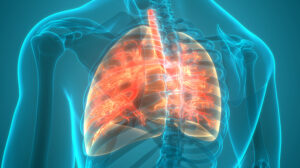
While many respiratory illnesses share features like coughing and fatigue, Mammen believes there are key differences. A cold typically causes runny nose, sneezing and sore throat and rarely involves fever. The flu, however, “comes on suddenly with high fevers, intense fatigue, body aches and a heavy cough,” he said.
Bronchitis is often marked by a persistent, mucus-producing cough that may last weeks, along with chest discomfort and wheezing. Pneumonia presents more alarmingly.
Flu infections are characterized by a sudden onset of high fevers, significant fatigue, body aches and a prominent cough, though nasal congestion and sore throat can also occur, said Mammen. “Acute bronchitis typically manifests as a persistent cough, often producing mucus, which can last for several weeks. It may also include wheezing, fatigue and chest discomfort. Pneumonia generally presents with more severe symptoms than bronchitis, including high fevers, significant shortness of breath, chest pain that worsens with breathing and a productive cough with discolored phlegm,” he added.
3. Who’s most at risk?
Several groups are more vulnerable during the winter respiratory season.
“Young children, adults over 65, people with chronic illnesses like asthma or COPD, smokers, and anyone with a weakened immune system are at higher risk,” Mammen explained.
Environmental irritants such as pollution or wood smoke can further increase susceptibility. Experts
emphasize prevention, starting with vaccines.
“The most effective way to reduce your risk is to stay up to date on vaccinations — flu, RSV and pneumococcal vaccines all play a role,” he said.
Other protective steps include regular handwashing, avoiding touching your face, maintaining good indoor ventilation, avoiding tobacco and secondhand smoke, prioritizing sleep, balanced nutrition and exercise and limiting close contact with sick individuals.
4, Treating Bronchitis and Pneumonia
Treatment depends on the cause.
“Most bronchitis is viral, so antibiotics won’t help,” Mammen said. “Symptom relief — rest, hydration and over-the-counter medications—is typically recommended. Pneumonia requires a more tailored approach.”
When it comes to pneumonia other options are key.
“For suspected bacterial pneumonia, completing a full course of prescribed antibiotics is crucial. For specific viral pneumonias such as influenza and COVID-19, antiviral agents may be initiated, if they are started early in the disease course. Hospitalization and oxygen therapy may be necessary for a subset of patients, especially those who are vulnerable or severely ill.”
Severe cases may need hospitalization or oxygen therapy.
5. Recovery
Healing doesn’t end when symptoms fade.
“Patients recovering from bronchitis or pneumonia need rest, hydration, avoidance of smoke and close follow-up,” Mammen said.
“When recovering from bronchitis or pneumonia, healthcare professionals advise patients to prioritize adequate rest and hydration, avoid smoke and other airway irritants, maintain a healthy diet, keep all follow-up appointments, gradually return to regular activity and diligently monitor their symptoms. If prescribed medications, it’s important to complete the full course of antibiotics or antivirals. It’s also crucial to continue practicing preventive measures to avoid re-infection.”