
By Susan Friedman, Lifestyle Medicine Physician and Geriatrician
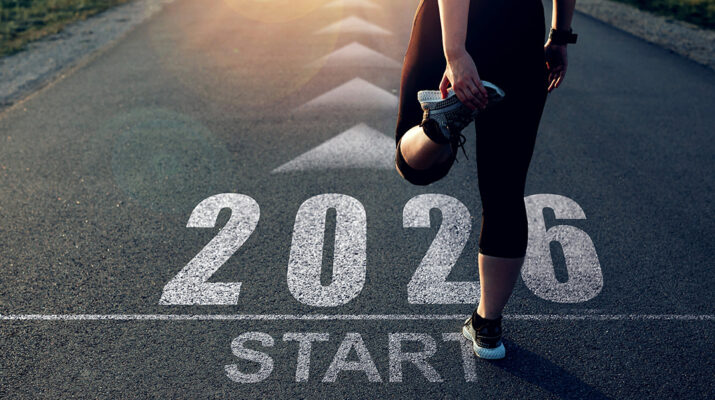
 A new year always offers a natural point of renewal, and the start of 2026 feels especially ripe for a reset.
Whether the last year felt like a blur of responsibilities or a patchwork of intentions only half fulfilled, the turn of the calendar gives us a chance to pause and ask a meaningful question: “What do we want our health—and our lives—to feel like in the year ahead?”
After more than 30 years treating patients across the lifespan, I’ve seen that this question is more powerful than any single resolution. It invites us to move beyond quick fixes and instead build daily patterns that nourish our well-being from the inside out.
While we often talk about health in terms of medications, procedures and early detection—and these absolutely have a place—lifestyle consistently emerges as the strongest determinant of how well we age. Not just how long we live, but how fully we live.
The scientific literature is clear: our habits around food, movement, sleep, stress, social connection and substance use account for the majority of our risk for chronic illness. As a geriatrician, I see the consequences of neglecting these domains. But I also see the extraordinary transformation that can occur when people—even in very late life—make small, sustained changes.
Lifestyle is medicine, and unlike other treatments, its side effects are overwhelmingly positive.
The American College of Lifestyle Medicine (ACLM) recommends using lifestyle to prevent, treat and even reverse disease. It organizes this approach into six foundational “pillars”: whole-food, plant-forward nutrition; physical activity; restorative sleep; stress management; positive social connection; and avoidance of risky substances. These pillars offer a simple, evidence-based framework that can transform health at any age. They’re not abstract ideals—they’re actionable levers we can adjust every day. When integrated consistently, these habits not only reduce the burden of disease but also enhance energy, brain health, emotional resilience and mobility as we age.
Locally, Rochester Lifestyle Medicine Institute builds on these six pillars and adds three more: immersing ourselves in nature, finding joy and cultivating meaning and purpose.
Rounding it out to an even 10, I have added one more opportunity that I think is increasingly important, namely, reducing screen time. All together, these 10 areas form a powerful roadmap for improving health in 2026. And importantly, the goal isn’t just to increase lifespan — it’s to increase healthspan: the number of years we live vibrantly, independently and joyfully.
 1. Embrace a Whole-Food, Plant-Forward Diet
Nutrition is the cornerstone of lifestyle medicine because you truly “are what you eat”: our food instructs our cells, shapes inflammation, influences the microbiome and determines much of our metabolic health. Shifting toward a whole-food, plant-forward diet—rich in vegetables, fruits, legumes, whole grains, nuts and seeds—supports longevity across cultures and continents. Any step in this direction will help. Start by crowding your plate with plants. Aim for half your plate to be vegetables. Replace processed snacks with whole foods. Cook more meals at home. Over time, your palate changes, your energy climbs and your chronic disease risk falls dramatically.
 2. Move Your Body Daily
Movement is not only about burning calories—it’s a potent stimulus for brain health, muscle preservation, metabolic function and emotional well-being. For healthy aging, maintaining muscle mass and mobility is paramount. In 2026, set a simple target: move your body every day in a way that feels sustainable. That might be brisk walking, strength training twice a week, stretching before bed, dancing in your living room or climbing a few extra flights of stairs. The best exercise program is the one you’ll actually continue. Aim for consistency, not perfection. And build on your progress!
 3. Prioritize Restorative Sleep
Sleep is often the most neglected of the lifestyle pillars, yet it influences nearly every physiological system. Poor sleep disrupts metabolism, increases inflammation, accelerates cognitive decline and worsens mood. Restorative sleep requires intentionality: creating a calm evening routine, limiting caffeine after midday, reducing evening screen exposure and maintaining a consistent sleep window. In 2026, consider sleep your nightly renewal appointment with your future self. Good sleep is an investment in your brain, your immune system and your emotional resilience.
 4. Manage Stress with Mind–Body Practices
Chronic stress ages us faster than almost any other factor. It accelerates cellular aging, impairs memory and fuels chronic disease. Stress itself is unavoidable, but how we respond can be transformed. Mind–body tools like deep breathing, yoga, mindfulness meditation, tai chi or even five-second pauses throughout the day can shift the nervous system out of a fight-or-flight mode. In 2026, treat stress management not as a luxury but as daily hygiene for your mind. Start with five minutes a day and allow the practice to grow naturally. The other pillars can also help with stress reduction. Eating a healthy diet, moving more and connecting with others, for example, will help with managing stress.
 5. Cultivate Meaningful Social Connection
Loneliness has been called the new chronic disease—and with good reason. Strong social relationships reduce mortality as effectively as major medical interventions. As a geriatrician, I often see that what sustains people in their later years is not their cholesterol level but their sense of belonging and connection. In 2026, make connection intentional: schedule regular gatherings, join groups, volunteer, call a friend while you walk or simply invest deeper attention in the relationships you already have. Social health is essential to healthy aging.
Physical affection is an important part of this equation. It is far more than emotional reassurance; it is biologically healing. Hugs release oxytocin, lower blood pressure, reduce perceived stress and strengthen social bonds. In my work with older adults, I see how profoundly humans need touch and how deeply it nourishes mental and emotional health. In 2026, hug your loved ones a little longer. Offer gentle, appropriate touch in your relationships. Physical connection is essential to thriving.
 6. Avoid Risky Substances
The most obvious lifestyle pillar is still worth restating: minimizing or eliminating tobacco, excessive alcohol and recreational drugs profoundly improves long-term health. In older adults especially, alcohol accelerates cognitive decline, increases fall risk and interferes with sleep. In 2026, consider an honest audit of your habits. Even modest reductions can yield rapid improvements in energy, sleep quality, and mood.
 7. Spend Time in Nature
Nature exposure lowers cortisol, improves mood, enhances cognitive function and even strengthens the immune system. You don’t have to travel to a national park to benefit. A neighborhood walk, sitting under a tree, tending plants or opening a window to natural light can all shift physiology. Aim for at least 20–30 minutes of outdoor time most days in 2026. Nature is one of our most powerful, accessible forms of preventive medicine.
 8. Find Joy — Small Moments Matter
Joy is not frivolous; it is physiologically protective. Moments of delight activate reward pathways, reduce stress hormones, enhance immune function and support emotional resilience. Many people wait for joy to arrive in big, dramatic ways, but healthy aging depends on noticing and creating small, daily moments of happiness. In 2026, seek out what sparks joy for you: laughter with a friend, a warm beverage, a creative hobby, playful movement, a beautiful sunrise or a quiet moment of gratitude. Joy strengthens our capacity to cope, to connect and to heal.
9. Cultivate Meaning and Purpose
Purpose is a profound predictor of longevity and, more importantly, of vitality. It is so important that two of the original Blue Zones —places where people live longer and with better health — have a name for meaning and purpose. In Costa Rica, it is called “plan de vida”, and in Okinawa, it is called “ikigai”. Having a reason to get up in the morning—be it relationships, creativity, service, spirituality, learning or caregiving—supports emotional resilience, cognitive health and overall well-being. Purpose stabilizes us during hardship and motivates healthy behavior. In 2026, reflect on what gives your life meaning. Nurture passions, set meaningful goals, volunteer, engage in traditions, or explore new pathways. Purpose is not a one-time effort; it is something we continually shape.
 10. Turn Off Screens — To Reclaim Presence
Screen time isn’t inherently harmful, but unchecked digital consumption crowds out the very habits that promote healthy aging: movement, time with others, eye contact, rest and even boredom, which fuels creativity. Excessive screen exposure also disrupts sleep and contributes to anxiety. In 2026, create digital boundaries. Try device-free meals, screen-free bedrooms or a weekly “Sabbath” from technology. By reducing digital noise, we create space for real-world engagement—the kind our brains and bodies evolved for.
Healthspan, Not Just Lifespan
 The aim of these 10 practices isn’t simply to extend life—it’s to extend quality of life. To pursue passions, maintain the energy to travel, play with grandchildren and remain independent for as long as possible. Improving healthspan means reducing the years spent with disability, frailty and cognitive decline. It means adding life to years, not just years to life.
As we enter 2026, we have a remarkable opportunity: to align our daily choices with the lives we hope to live decades from now. Small, intentional changes—sustained over time—reshape our trajectory in ways that no single pill or procedure can match. Lifestyle is our most powerful tool for healthy aging, and the sooner we embrace it, the more vibrant our future becomes.
Here’s to a year of energy, connection, purpose and wellbeing. May we all step into 2026 committed to caring for the bodies and minds that carry us through this extraordinary life.
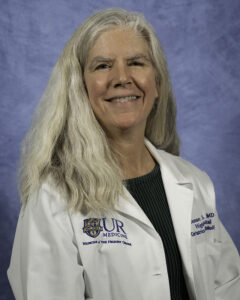 Susan Friedman, M.D, M.P.H., is a board-certified geriatrician and lifestyle medicine physician. She is a professor of medicine at the University of Rochester, where she is the founding director of the lifestyle medicine program at Highland Hospital. She serves on the board of the Rochester Lifestyle Medicine Institute, a nonprofit organization whose mission is to “empower people everywhere to make evidence-based, life-affirming choices — rooted in whole-food, plant-based living — to create a healthy, compassionate, and sustainable world”. Beyond her professional work, she is a wife and the proud mother of three young men. She finds joy in gardening, reading, traveling, dancing — and sharing meaningful time with family and friends.