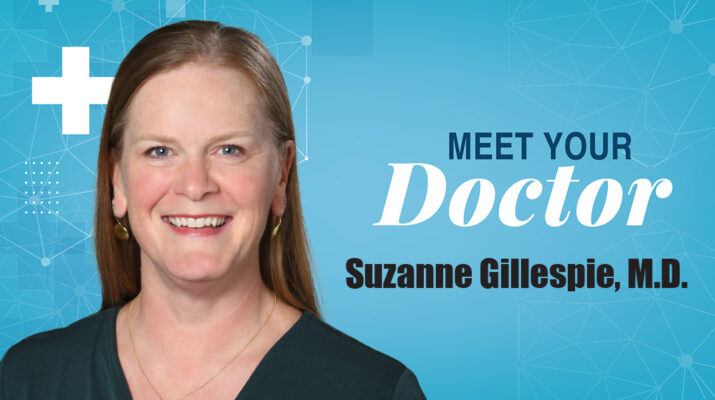
Chief medical officer at Jewish Home: ‘It’s been an exciting time to be in care for older adults.’ She explains why
By Chris Motola
 Q: You were recently inducted into the inaugural Fellows Class of the Post-Acute and Long-Term Care Medical Association (PALTmed). What does this mean for someone in your position?
A: PALTmed is the only medical society that is a specialty society that recognizes the community of medical directors and medical providers that work in the various acute and long-term care settings. So, it’s an important organization because it does a lot to increase our workforce, to empower them with better skills, to improve the quality of care. And then they also advocate for policies and procedures that ensure our families and residents get the best care possible.
Q: And how did you get nominated?
A: In order to be a fellow for PALTmed, you have to have had a tradition of ongoing contribution to the field. You have to have been a part of that clinical practice, and then demonstrated involvement in clinical administration and teaching. You have to be an active member and then have the support of other members who can recommend you to the position. I’ve been fortunate to be a part of it since 2005, when I was a part of their early career development program. I’ve had a variety of roles in the organization, including being a past president back in 2022. It was called AMDA, the Society for Post-Acute and Long-Term Care Medicine then. They’ve undergone a name change over the last year or so.
Q: We’re at the point now where baby boomers are starting to age into your demographic. What’s that been like in terms of volume, expectations?
A: You are right, we’re part of a real aging dynamic where many baby boomers are starting to age into the role where they’re looking for and thinking about how they can have the best quality of life and where they’ll get the best quality of care. That’s particularly true in Monroe County, which is the fastest aging county in New York state. So, it’s influenced those who care for seniors in a variety of ways. It’s both created a need to really understand how we support older adults for us here in Jewish Home and consider the continuum of how individuals are being cared for. That includes both our short-term rehabilitation, for those who have come out of a hospital and are looking to restore their function and wellbeing, and then also those who need a longitudinal long—term care setting. So because we’ve had this increased population, there’s increased needs and the need to expand some of our services. There’s also been a fuel for innovation. It’s been an exciting time to be in care for older adults.
Q: What are they looking for? What are some differences from the previous generations?
A: I think previously, we thought a lot about illness models of care and how we cared for specifically disease-oriented. I think now we’re really thinking more about how we care for the individual to optimize their function. I think we’re not just thinking about the type of care, but we’re thinking about the quality of care and how it impacts the goals that they have individually. I think for a lot of older adults, what matters to them is remaining vital. So being able to have the function, both physically and cognitively to be engaged in their community and active. So, for a lot of those that we serve, it’s thinking about how do they maintain their residence in a community-based setting. How do they maintain active engagement. And it’s really tailoring and aligning their care for those sorts of goals. And that’s really true across settings of care, from outpatient, to community-based homes, to those in assisted living and independent living, as well is rehabilitative and long-term care settings.
Q: To what degree is it within your power and ability to make that happen? What does that look like on the operational side?
A: For me as a geriatrician, and as someone who sits in the chief medical officer role here at Jewish Home, there are a few ways that I think about this. One, I think about ensuring that we have across our plan, the ability to provide services for older adults. Rehab is an important part. We have to think about our ability to do things like physical and occupational therapy to improve mobility across settings of care, think about whether we have medical providers that can serve the needs of individuals across the spectrum of care settings. We have medical providers that can see individuals in their home for home-based care. We have concierge model primary care providers. And then we have medical providers in our rehabilitative setting and long-term care settings that can tailor their practice to that care. Similarly, thinking about how we are ensuring that we do what we can to educate our workforce and caregivers to make sure that they have the skills and resources necessary to optimize care. That includes connecting individuals to community-based resources that may be of help. And then, finally, how we’re advocating so that we’re ensuring that the way that we’re using resources, for example from our state agencies, our federal agencies, the way that we’re thinking about care is also properly aligned.
Q: Are you almost entirely administrative now, or are you also practicing clinically?
A: I split my time pretty equally. I actually have a fairly heavy clinical presence. Most of my clinical practice is in our post-acute rehab, our short-term rehab setting and also in our long-term care. So I am both providing short-term medical provider coverage for individuals in our rehab program, then also longitudinal primary care for those that are here in long-term stays in our nursing facility. It’s always been important for me in practice to have, you know, a strong sense of what’s going on clinically within organization and for the patients that we’re serving as they move through the healthcare system so that I can be effective in administrative roles and also in my interest in teaching and advocacy.
Q: Are there any longevity, science or medical studies that have piqued your interest lately?
A: Yeah, I think that there is a lot of really interesting work going on right now in aging and aging research. I recently met with colleagues at a health system in Canada that are working on a large project to look at how they can influence the development of, or actually prevent or reduce, the risk of dementia in those that they serve. And they’re doing their research study, looking at things like how they can influence dietary change, exercise, social engagement, a cognitive stimulation, some of the things that are felt to be risk factors for cognitive decline as people age. And so really being proactive and thinking about how we maintain function.
Lifelines
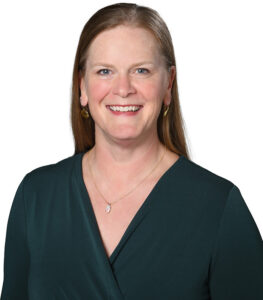
Name: Suzanne Gillespie, M.D.
Position: Chief medical officer at Jewish Home
Hometown: Horseheads, NY
Education: University of Virginia in Charlottesville, Virginia.
Affiliations: URMC system
Organizations: PALTmed, American College of Physicians.
Career: Served as president of the Post-Acute and Long-Term Care Medical Association (AMDA) in 2022. Leadership roles at the VA Finger Lakes Healthcare System, Monroe Community Hospital and Fairport Baptist Home, among other organizations
Family: Two daughters, 19 and 21.
Hobbies: Fitness, running, skiing