
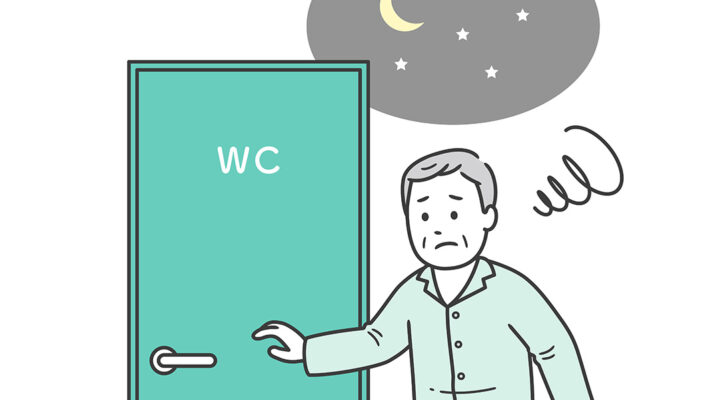
Men experiencing urinary issues can find relief from their symptoms
By Deborah Jeanne Sergeant
 Don’t be too quick to chalk up urinary issues to becoming “a certain age” and that’s all there is to it.
Chris Kiesow, physician assistant at Gameday Men’s Health in Rochester, said that it’s more likely benign prostatic hyperplasia, commonly called an enlarged prostate, causing problems such as late-night urination, increased urgency or frequency, feeling like the bladder doesn’t empty completely or the urge to “push” or sit down to obtain sufficient pressure for urination.
“Many take it as part of getting old,” Kiesow said.
But that doesn’t mean that men’s urinary issues are not treatable.
While Kiesow said that men experiencing urinary issues also often have their PSA checked for prostate cancer, enlarged prostate is benign and typically addressed with supplements such as saw palmetto or prescription medication. Kiesow said that sex is healthy for the prostate as well.
“If medicine doesn’t help, there’s surgical procedures where they open up the pathway,” Kiesow said.
Men experiencing enlarged prostate are likely simply genetically unlucky.

Mark Richardson, Pittsford resident and leader of the local chapter of Us Too, provides support and education for men with prostate cancer and their loved ones. Accustomed to discussing prostate issues, he said that at a recent lunch with friends, several complained about getting up to urinate six to eight times each night.
“This was very concerning to them as they were tired during the day and not coping with this new problem,” he said. “Benign prostatic hyperplasia (BPH) is a health issue that becomes more common with age.”
In addition to the bothersome trips to the bathroom, enlarged prostate can also cause bladder, urinary tract or kidney issues.
Richardson said that healthcare providers typically ask their patients about their symptoms, consider the prostate size and discuss other health problems before recommending a course of action.
“The symptoms of BPH tend to slowly get worse,” Richardson said, “But sometimes they stay the same or even improve over time.”
It’s important to get checked out, as ignoring the problem will only allow it to get worse. Or it could be a different cause and not BPH.
“Take the next step if you think you have an enlarged prostate,” Richardson said. “Talk to your health care provider about your symptoms, even if they don’t bother you. It’s important to find out if there are any causes that could be treated. Without treatment, the risk of a dangerous blockage of the urinary tract can rise. If you can’t pass any urine, get medical help right away.”
In addition to any medical protocols recommended by a healthcare provider, Richardson encourages men to avoid a sedentary lifestyle, obesity, eating foods high in sugar or unhealthful fats, smoking, excessive alcohol and allowing comorbidities to go unmanaged such as diabetes or heart disease.
When other approaches have not proven effective, surgical options can include removing or pushing aside excess prostate tissue or opening the urethra for better urine flow by using surgical incisions or laser therapy.