
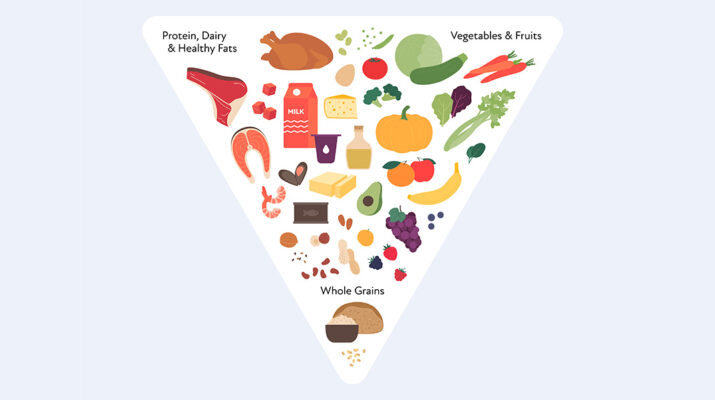

Federal health officials have released updated dietary guidelines designed to shape how Americans eat and reduce the risk of chronic disease, a move that could influence everything from school lunch programs to advice given in doctors’ offices.
The new recommendations arrive amid ongoing debate about nutrition, access to healthy foods and how best to translate science into practical guidance for families nationwide. The American dietary guidelines are updated every five years and are designed to guide population-level public health, rather than individual nutrition plans.
Health experts say the updated guidelines will have wide-ranging implications, particularly for how nutrition advice is delivered in clinical settings and community programs. Physicians and public health leaders are now reviewing the recommendations to assess how they align with the latest science, address longstanding health disparities and translate into realistic choices for patients navigating cost, access and cultural preferences.
“The updated guidelines are motivated by evolving nutrition research and efforts to improve public health messaging, even though some of the imagery and messaging may cause confusion,” said Rochester Regional Health’s Grace Krizen, a registered dietitian and nutritionist with UMMC Healthy Living.
1. Key changes: Red meat, whole milk are in
Many of the core recommendations remain consistent with previous guidelines, there is continued emphasis on whole, minimally processed foods such as fruits, vegetables, whole grains, lean proteins and healthy fats. These principles are well established and supported by decades of nutrition science. However, some new changes that can appear confusing. The guidelines continue to recommend limiting saturated fat intake to less than 10% of total calories, which is evidence-based. At the same time, the new pyramid appears to prioritize foods such as red meat, full-fat dairy, butter and beef tallow; foods that are naturally high in saturated fat.
“It’s notable that these two messages are difficult to reconcile, as it would be nearly impossible for most people to follow both recommendations simultaneously,” said Krizen.
Another key change is the increased protein recommendation, this reflects growing evidence supporting protein’s role in muscle preservation, satiety and weight management.
“However, most Americans already meet or exceed their protein needs and I believe the push to add protein to foods like candy, popcorn or even water is unnecessary,” she said. “The new guidelines depict very few plant-based sources of protein. Remember that beans, lentils and legumes are great protein-packed options.”
2. Less attention to fiber intake, physical activity
The dietary guidelines have the potential to positively influence population health, particularly if they encourage people to shift toward whole, minimally processed foods. For the general population, focusing on increased fruit and vegetable intake, choosing leaner protein sources and limiting ultra-processed foods can support weight management and reduce the risk of chronic conditions such as heart disease and Type 2 diabetes.
“That said, individuals with chronic conditions, such as diabetes, kidney disease or cardiovascular disease, often have more specific nutritional needs,” said Krizen.” In these cases, working with a registered dietitian or a physician who specializes in that condition is especially important. Fiber intake and physical activity, which are two of the most impactful factors in obesity prevention and chronic disease management are given less attention in the new guidelines. More than 90% of Americans do not meet recommended fiber intake levels, yet the guidelines do not clearly outline fiber targets or strategies to increase intake. One positive and notable addition is the recognition of fermented foods and gut health, which reflects growing research in this area.”
3.
Habit forming
For individuals looking to implement the guidelines effectively, the most important focus should be on simple, sustainable habits rather than perfection. At a basic level, aim to eat fruits and vegetables every day, drink enough water and consume three well-balanced meals that include a mix of protein, carbohydrates and healthy fats. Regular movement is just as important as food choices, so finding ways to move your body consistently, whether that’s walking, strength training, or another activity you enjoy, should be part of the plan.
“Be mindful of ultra-processed foods, such as chips and sugary coffee drinks, which can quickly add excess calories with little nutritional value,” she said. “Cutting back on these, even gradually, can make a meaningful difference. Once these foundational habits are in place and feel manageable, more individualized adjustments can be made based on personal goals, preferences or health conditions.”
4. Education
Public education plays a critical role in helping people understand and apply the dietary guidelines, especially because nutrition can feel overwhelming! From deciphering food labels to navigating something as simple as the dairy aisle, people are often faced with an abundance of choices and conflicting messages. Without clear, accessible education, even well-intentioned guidelines can be difficult to follow.
“With so much nutrition content circulating on social media, it’s especially important to follow credible voices. Looking for those credentials such as RD or RDN can help ensure the information is evidence-based and reliable,” she said.
5. Mixing it up
Variety is important because no single food can provide all the vitamins, minerals and nutrients our bodies need to function at their best. Different foods offer different benefits, so the more variety you include, the more nutritional “coverage” you get.
“A practical and fun way to do this is by focusing on a whole-food, balanced diet and literally eating the rainbow. For example, orange foods like sweet potatoes, carrots and cantaloupe support eye health, yes, because they’re orange,” said Krizen. “Purple foods such as blackberries, purple cabbage and purple corn are rich in compounds that help reduce inflammation. White foods like turnips, cauliflower and pears can help support immune function thanks to nutrients like vitamin C.”
That’s why you’ll often hear “eat the rainbow.” And just to be clear, that doesn’t mean Skittles. The goal is variety over perfection: mix up your produce, rotate your proteins and grains and let color be your guide.