
Medical Director, St. Ann’s Community; Medical Director, Rochester Regional Wound Healing Center at St. Ann’s
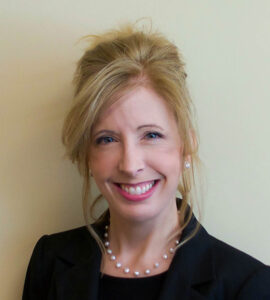 With the organization since: St Ann’s, 2005; Wound Center, 2013.
In current position since: 2012 (edical director of St Ann’s); 2013 (medical director of Wound Center).
Education: “Earned a bachelor’s degree in psychology from Duke University; medical degree from the University of Rochester; completed residency training in internal medicine at the University of Rochester where I also spent a year serving as chief resident. Completed a fellowship in geriatrics from the University of Rochester prior to starting as a staff physician at St Ann’s Community. Earned the title of certified wound specialist and ostomy specialist.”
Career Highlights: “I have been very fortunate to be mentored by exemplary physicians and leaders throughout my career. I am proud of the clinical work I have done for the residents of St Ann’s and have reveled in being a leader of a truly remarkable group of physicians, nurse practitioners and physician assistants that provide care at St Ann’s Community. In 2013, St Ann’s and Rochester Regional Health opened a wound center that was the first of its kind in the nation as it represented a collaboration between a senior living community and an acute care hospital. I am very proud of the work I did to help this center come to fruition and the ongoing care that is delivered daily. As the medical director of the center, I am also very proud of the team of providers who work so hard in this venue as well.”
Current affiliations: American Medical Directors Association, American College of Physicians, Monroe County Medical Society, American Geriatric Society, American Board of Wound Management.
How do you describe your managerial philosophy or approach? “My natural inclination is to adopt a servant management-leadership approach as this style most closely mirrors the requisite attributes of a good clinical relationship with patients. I favor shared leadership, prioritizing the needs of the team and collective decision making. However, as a physician one learns very early that one style of leadership is not effective in all situations. A physician must act in a very autocratic style, for example, when a patient is in extremis and quick decisions need to be made and orders carried out expeditiously. When a patient is more stable, a physician can employ a much more democratic approach, including the patient and other team members in the decisions. This ability to shift leadership or managerial styles to fit a situation is just as important in the administrative world and one that I continue to try to hone.”
Skills that make you an effective leader? “Medicine fosters some key attributes to successful leadership early on in training. It teaches the importance of active communication, assiduousness and careful analysis of complex situations. It also teaches the importance of prioritizing goals and being flexible when a plan does not execute exactly as planned. I have tried hard to apply all these skills as a leader.”
How can the healthcare industry in the region be improved? “Rochester has always been fortunate to have many skilled and passionate geriatricians, as well as senior living communities with long traditions of excellence in clinical care. While many other parts of the nation struggle to find providers and models that provide this care, our region has long implemented models that prioritize the desires and health priorities of our patients. As such, our region is challenged to continue the recruitment of passionate leaders and to work collaboratively across health care systems in an effort to continue to innovate. Our leaders need to look for new ways to fund geriatric care by collecting data on outcomes in various clinical venues and then working with insurers to develop alternate payment models. Medical training should focus more on the finance of healthcare to help prepare future clinicians for leadership roles in the development of alternate care and payment models.”