
Chief Nursing Officer; Vice President of Patient Care Services, UR Medicine Thompson Health
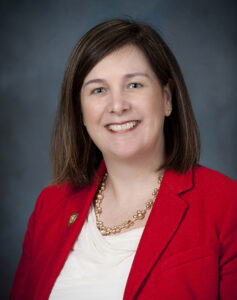 With the organization since: 2007.
In current position since: 2008.
Education: Ph.D. in nursing, Florence Nightingale School of Nursing and Midwifery, Kings College, University of London; Bachelor of Science in nursing studies, University of Manchester.
Career Highlights: Led the organization to magnet re-designation from the ANCC in 2010, 2015, 2021 and 2025; received the Finger Lakes Region Leadership Award from the New York Organization of Nurse Executives and Leaders as well as the Canandaigua ATHENA Award and the Professional Women of the Finger Lakes Woman of Distinction Award. Was named to Becker’s Hospital Review list of CNOs to Know.
Current affiliations: Board member (and former chairwoman) for UR Medicine Home Care; serve on nursing advisory boards for Finger Lakes Community College, Roberts Wesleyan College and St. John Fisher University.
Skills that make you an effective leader? “Commitment and passion: I bring unwavering dedication to patient care and a genuine enthusiasm for building strong teams; resiliency under pressure: in fast-paced clinical environments, I stay calm, prioritize effectively, and pivot when the unexpected happens; lead by example: whether it’s rounding with frontline staff or staying late to troubleshoot a process, I’m right there in the trenches; adaptability and tech savvy: as technology reshapes healthcare, I quickly evaluate new tools, roll out pilots and coach teams in real time.”
How do you describe your managerial philosophy or approach? “I practice a ‘servant-leader’ model focused on empowering frontline voices to design change. My approach: listen deeply: rounding with staff to understand pain points; co-create solutions: invite multidisciplinary teams to brainstorm and pilot; iterate rapidly: use data and direct feedback to refine workflows; celebrate wins: acknowledge small successes to build momentum.
How do you personally demonstrate leadership and inspire your staff? “Visibility: I join morning huddles, debrief critical cases and ask, ‘How can I help?’; transparency: I share both successes and setbacks, framing problems as shared challenges; mentorship: I carve out weekly one-on-one time to coach emerging leaders; recognition: I spotlight individuals who suggest improvements—reinforcing that every idea counts.”
How do you see the healthcare industry changing in the next few years, and how will you prepare the organization for those changes? “Over the next few years, we’ll see expanded telehealth and AI-driven decision support; shift to value-based payment models; personalized medicine and remote monitoring. To prepare, I will invest in staff training; build partnerships to fast-track pilots; and embed change management principles so new tools actually stick.”
What are your top three priorities for your organization this year? “Create pathways for careers in nursing that focus on retention of top talent; develop a robust succession plan for all my departments; focus on growing depth of talent across the areas I oversee.”
How can the healthcare industry in the region be improved? “Increase access to alternate level of care (ALC) beds to improve patient flow throughout the system and reduce length of stay; expand community-based preventive programs (mobile health units, chronic disease education); develop a regional workforce pipeline—partner with nursing schools for apprenticeships and rotations; advocate for telehealth parity laws so rural patients can access specialists affordably.”
Tell us one thing about you that people generally don’t know? “I love to bake—precision, timing and creativity in the kitchen mirror how I approach clinical process improvement. When I’m troubleshooting a soufflé, I’m actually sharpening the same problem-solving muscles I bring.”