

Practice is gaining in popularity as more patients grow weary of only treating symptoms and not finding solutions to their health problems
By Deborah Jeanne Sergeant
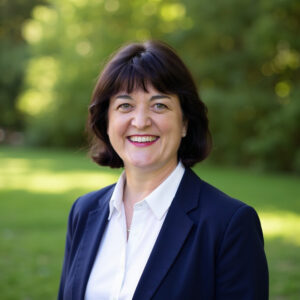
Working with patients to restore proper functioning of the body is essential to functional medicine.
Functional medicine is a patient-centered, root-cause approach to health that views disease as an imbalance in the body’s interconnected systems, according to online sources — and it’s gaining in popularity as more patients grow weary of only treating symptoms and not finding solutions to their health problems.
Working with the provider to find answers appeals to patients who have become more interested in and proactive about their health concerns.
Zendi Moldenhauer, Ph.D., pediatric nurse practitioner, nurse practitioner in psychiatry and RN, who is board-certified in functional medicine, comes from a background of medical pediatrics and psychiatry and practices at Arbor Health in Pittsford.
“Instead of diagnosing a problem with symptoms, like ‘You have depression, here’s medication or therapy,’ we ask about why you’re depressed,” she said.
She said that culprits for depression can include hormonal imbalance, vitamin deficiency, infections like Lyme disease and neurotransmitter imbalance. Testing can help provide the basis for evidence-based recommendations for patients to consider. By making provider-recommended changes in their lifestyle, patients can regain the function they want for work and recreation.
Some of Moldenhauer’s patients say they’ve seen five different doctors for the same symptoms and tried medications but are not any better, according to her. Some are in even worse shape. Other patients report that their doctors ran basic lab tests and cannot find any reason for why they feel the way they do such as experiencing low energy and trouble sleeping.
“They come to us frustrated with the traditional healthcare system that can’t serve them,” Moldenhauer said. “The traditional healthcare system is good for emergencies, but not the prevention or healing of chronic health problems. It’s so rewarding to practice in this way.”
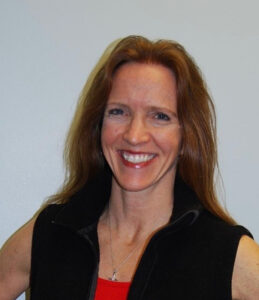
She frequently works with women in perimenopause and post-menopause in using bioidentical hormones to mitigate effects like metabolic changes, visible signs of aging, low libido, weight gain and cardiovascular changes. She also helps men with waning hormone issues. By restoring normal hormone levels, patients can regain expected function in many areas of their lives.
Functional health focuses on maintaining wellness and health. Many people find that working with a personal trainer can keep them moving, recreating and working the way they want to.
Kimberly Whitcomb, a one-on-one personal trainer in Fairport and Wolcott, said that trainers can provide structure and can “assess individual abilities and note any limitations in the areas of overall function, mobility, perceived strength and symmetry,” she said. “They can discuss any previous injures and surgeries in order to design a program that ensures client safety.”
Personal trainers’ comprehensive programs enable clients to continue working, taking care of their homes and families and engaging in the hobbies and interests they enjoy instead of allowing injuries to sideline them.
“Trainers design progressive programs that build on the previous workouts in order to keep clients moving forward towards their individual health and fitness goals,” Whitcomb said.